Los Angeles businesses operate in one of the most competitive and digitally connected markets in the country. From professional service firms and healthcare providers to creative studios, retailers, logistics companies and growing tech organizations, nearly every business relies on digital systems to manage operations, communicate with clients and protect valuable data. As reliance on technology grows, so does exposure to cyber threats that can disrupt operations, damage reputations and create serious financial risk. Business cybersecurity solutions are no longer a secondary IT consideration for Los Angeles companies. They are a core operational requirement.
Why Cybersecurity Is a Priority for Los Angeles Businesses
Los Angeles presents a unique cybersecurity environment. Companies often operate with:
• Heavy use of cloud platforms and SaaS tools
• Hybrid and remote workforces
• High volumes of sensitive client, financial or patient data
• Fast-paced workflows with little tolerance for downtime
• Regulatory obligations under California privacy laws
Cybercriminals are drawn to Los Angeles because of its dense concentration of businesses and high-value information. Small and mid-sized organizations are especially vulnerable, as attackers know they often lack dedicated security teams while still handling valuable data.
A single cyber incident can result in lost revenue, legal exposure, operational downtime and long-term reputational harm.
Common Cyber Threats Facing Los Angeles Companies
Understanding local threat patterns helps businesses design effective cybersecurity strategies.
Ransomware Attacks
Ransomware remains one of the most damaging threats to Los Angeles organizations. Attackers encrypt systems, halt operations and demand payment for recovery. Without proper defenses and backups, recovery can take days or weeks.
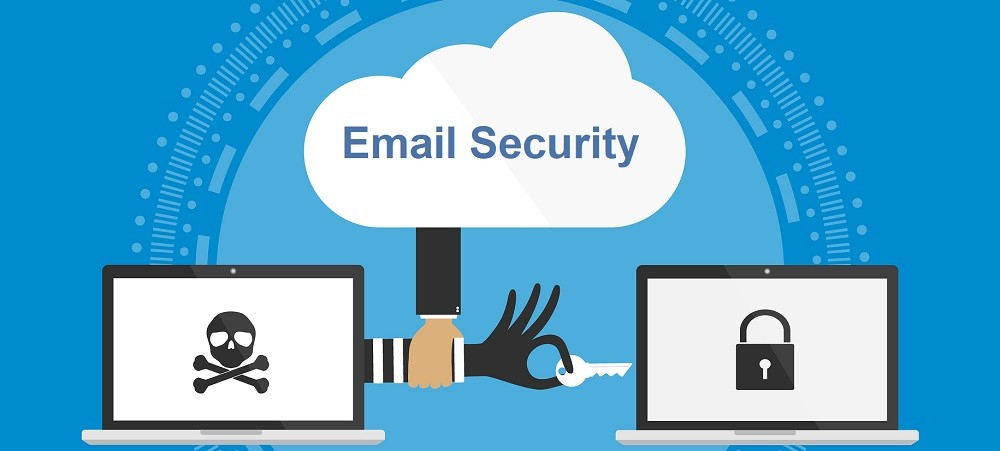
Phishing and Email-Based Attacks
Phishing emails targeting employees are the leading cause of breaches. These attacks steal credentials, bypass security controls and enable unauthorized access to cloud platforms, email systems and internal networks.
Credential Theft and Account Compromise
Stolen usernames and passwords allow attackers to move freely across systems, access sensitive data and impersonate legitimate users. Cloud-based environments are especially vulnerable without strong identity controls.
Malware and Advanced Persistent Threats
Modern malware often operates silently, gathering data or creating backdoors before launching larger attacks. Traditional antivirus tools alone are no longer sufficient.
Insider Threats and Human Error
Employee mistakes, weak access controls and improper handling of data contribute to many security incidents. Insider threats can be accidental or intentional and often go undetected without monitoring.
Compliance-Related Security Failures
Organizations subject to regulations such as the California Consumer Privacy Act (CCPA) or HIPAA face additional risk if security controls are inadequate.
Why Basic Security Tools Are Not Enough
Many businesses still rely on isolated security tools such as antivirus software or basic firewalls. While necessary, these tools cannot defend against modern, multi-stage cyberattacks that involve:
• Credential abuse
• Lateral movement across networks
• Cloud account exploitation
• Encrypted malware
• Zero-day vulnerabilities
Effective cybersecurity requires a layered approach that combines prevention, detection, response and recovery.
Core Business Cybersecurity Solutions for Los Angeles Companies
Managed Cybersecurity Services
Managed cybersecurity provides continuous protection rather than reactive fixes. This includes:
• 24/7 monitoring and threat detection
• Security alerting and response
• Vulnerability scanning and remediation
• Patch and update management
This approach reduces risk and ensures threats are addressed before they escalate.
Endpoint Protection Across All Devices
Workstations, laptops and mobile devices are primary attack vectors. Modern endpoint security includes:
• Behavioral threat detection
• Malware and ransomware prevention
• Device encryption
• Remote isolation of compromised devices
Endpoint protection is especially critical for remote and hybrid teams.
Email Security and Anti-Phishing Controls
Advanced email security reduces the most common entry point for attacks by:
• Blocking malicious links and attachments
• Detecting spoofing and impersonation attempts
• Preventing credential harvesting attacks
This significantly lowers breach risk caused by user interaction.
Identity and Access Management (IAM)
Strong identity controls limit damage even when credentials are compromised. Effective IAM includes:
• Multi-factor authentication (MFA)
• Role-based access controls
• Conditional access policies
• Secure remote access
IAM ensures users can only access systems necessary for their role.
Network Security and Segmentation
Network security protects internal infrastructure through:
• Firewalls and intrusion prevention
• Secure Wi-Fi configuration
• Network segmentation to limit lateral movement
Segmentation prevents attackers from spreading across systems.
Data Backup and Ransomware Recovery
Cybersecurity must include recovery planning. Secure backup solutions provide:
• Encrypted, offsite backups
• Immutable storage against ransomware
• Rapid system restoration
• Business continuity protection
Backups turn cyber incidents into recoverable events instead of operational disasters.
Security Awareness Training
Employees are a critical defense layer. Training helps staff:
• Identify phishing attempts
• Protect credentials
• Handle sensitive data securely
• Follow cybersecurity best practices
Educated users dramatically reduce incident frequency.
The Importance of Local Cybersecurity Expertise in Los Angeles
Local cybersecurity providers bring advantages that national or remote-only vendors often lack:
• Faster response times during incidents
• Familiarity with Los Angeles industries and workflows
• Onsite support when needed
• Knowledge of California compliance requirements
• Clear communication and accountability
Cybersecurity is most effective when aligned with real operational needs, not generic templates.
Real-World Scenario: Los Angeles Business Stops a Breach Early
A professional services firm in Los Angeles noticed unusual login activity on its cloud email platform. Standard security tools showed no alerts.
After implementing managed cybersecurity services:
• Abnormal login behavior was detected immediately
• MFA blocked unauthorized access
• Compromised credentials were reset
• No data was exposed
• Additional protections were deployed proactively
What could have become a major breach was contained without downtime or client impact.
Building a Cybersecurity Strategy That Supports Growth
As Los Angeles companies grow, cybersecurity must scale alongside them. A strong strategy includes:
• Regular risk assessments tied to business goals
• Layered security controls
• Continuous monitoring and reporting
• Ongoing policy and access reviews
• Integration with disaster recovery planning
Cybersecurity should enable growth, not slow it down.
How TechCare Computers Protects Los Angeles Businesses
TechCare Computers delivers comprehensive business cybersecurity solutions designed for Los Angeles organizations, including:
• Managed cybersecurity monitoring and response
• Endpoint and network protection
• Email security and anti-phishing solutions
• Identity and access management
• Backup and ransomware recovery
• Compliance support for CCPA and HIPAA
• Security awareness training
• Incident response and remediation
We help Los Angeles businesses reduce cyber risk, protect sensitive data and operate with confidence in an increasingly complex threat environment.
Secure your systems, safeguard your data and strengthen your defenses against modern cyber threats. Contact TechCare Computers today to implement business cybersecurity solutions built specifically for companies in Los Angeles.