
A business network has to do more than connect computers. It needs to support employees, applications, servers, cloud services and communications without creating unnecessary interruptions. Business network management services help companies maintain network performance, troubleshoot problems and address infrastructure issues before they interfere with daily operations. For businesses in Culver City, professional network management can be especially useful when internal teams do not have the time or expertise to monitor every part of their IT environment.
What Business Network Management Includes
Network management covers the ongoing work required to keep a business network functional, secure and aligned with operational needs. It is not limited to fixing an internet connection after something stops working.
A managed network environment can involve servers, workstations, network devices, wireless connections and other infrastructure. Regular attention to these components can help identify performance issues and infrastructure problems before they become larger disruptions.
Why Network Performance Matters to Small Businesses
A slow or unstable network can affect more than internet access. Employees may experience delays when accessing shared files, business applications, servers or cloud resources. Communication tools can also become less reliable when the underlying network is poorly configured or experiencing performance problems.
Recurring issues are particularly important to investigate. Restarting equipment or resolving individual connection problems may restore service temporarily without addressing the reason the problem keeps happening.
Professional network management takes a broader approach by looking at the infrastructure, identifying recurring problems and determining where improvements may be needed.

Network Monitoring Helps Identify Problems Earlier
Waiting for employees to report every technical problem can leave businesses reacting to issues instead of identifying them early.
Remote monitoring and management can provide another approach. TechCare RMM monitors devices in real time and can alert engineers to current issues and potential problems. The platform can monitor servers, virtual machines, PCs, Macs and network devices.
This type of monitoring can be useful for businesses that want greater visibility into their technology environment. Instead of relying entirely on employees to recognize a developing problem, monitoring tools can provide technical information that helps support teams investigate issues.
Network Maintenance Is More Than Troubleshooting
Network maintenance is an ongoing process. Equipment, software and business requirements change over time and an infrastructure that worked well several years ago may no longer be appropriate for a growing company.
Regular maintenance can include reviewing network performance, troubleshooting connectivity issues and evaluating whether existing infrastructure continues to meet business requirements. It can also help businesses recognize aging equipment or configuration problems before they contribute to a significant interruption.
For companies with recurring network issues, maintenance can be more useful than repeatedly treating each problem as an isolated event.
Network Security Should Be Part of Network Management
Network performance and network security are closely connected. A business network needs to provide access to employees and systems while limiting opportunities for unauthorized access and other threats.
TechCare Computers offers network security as part of its business support services. Its broader IT assessment approach also identifies areas such as firewalls, endpoint protection, user access controls and software updates as important parts of evaluating an IT environment.
Security should therefore be considered when reviewing network infrastructure rather than treated as a completely separate concern. A network management strategy can help businesses identify technical weaknesses that may affect both performance and security.
When Your Business May Need Professional Network Management
Several signs can indicate that a business network needs closer attention:
- Employees regularly report slow network performance.
- WiFi connections are unreliable in parts of the office.
- Network problems keep returning after temporary fixes.
- Employees lose access to shared resources or business applications.
- Network equipment is aging or difficult to maintain.
- The company is adding employees or changing its office infrastructure.
- Security concerns have not been reviewed recently.
- Internal staff spend too much time troubleshooting network problems.
- The business is unsure whether its current infrastructure can support future growth.
These issues do not necessarily mean that an entire network needs to be replaced. A professional evaluation can help determine whether the problem involves configuration, equipment, connectivity, security or another part of the environment.
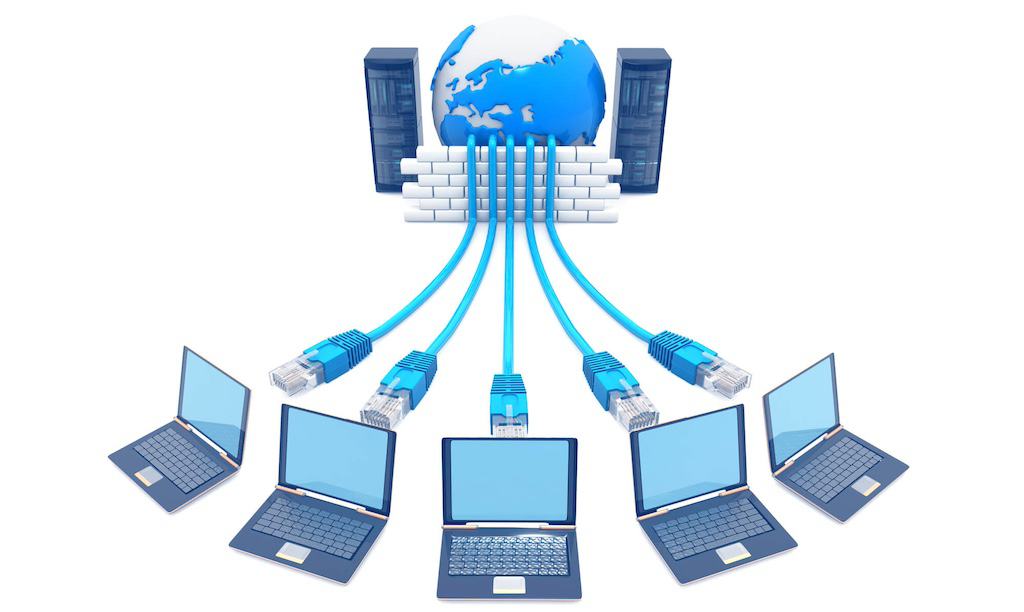
Network Design and Optimization for Growing Businesses
Network management is not only about maintaining an existing setup. Businesses may also need help when they are expanding, changing office layouts or adding new technology.
Network design and implementation can help establish an infrastructure that fits the way a business operates. Optimization can then focus on improving the performance of an existing environment rather than replacing everything unnecessarily.
This is particularly relevant for small and mid-sized businesses that have grown organically and accumulated network equipment or configurations over time. What started as a simple office setup can become considerably more complicated as additional employees, devices and applications are introduced.
How to Prepare for a Network Management Assessment
Before contacting an IT provider, it can help to document the problems employees are experiencing. A simple record can reveal patterns that are difficult to notice when issues are reported individually.
Consider the following questions:
- When did the network problems begin?
- Which employees or departments are affected?
- Do problems occur at specific times?
- Are wired connections affected or only WiFi?
- Which applications or services become difficult to access?
- Have any network devices recently been replaced or added?
- Are there recurring outages or slowdowns?
You should also identify which parts of the network are most important to daily operations. This information can help an IT professional understand the business impact of technical problems and determine where further investigation may be appropriate.
Business Network Management Services in Culver City
Businesses in Culver City operate within the wider Los Angeles business environment and may rely on a combination of office computers, network devices, servers, cloud applications and internet-based communication tools. As these systems become more interconnected, a network problem can affect several areas of the business at once.
For a small office, even a relatively simple connectivity issue can interrupt employee workflows. Larger businesses may face more complex infrastructure challenges involving multiple devices, servers or network components.

Frequently Asked Questions
What Are Business Network Management Services?
Business network management services involve maintaining, monitoring, troubleshooting and improving the network infrastructure a company relies on for daily operations. Depending on the environment, this can include network devices, servers, computers, connectivity and security.
How Do I Know If My Business Network Needs Professional Management?
Recurring slowdowns, unreliable connections, repeated network problems, aging equipment and difficulties supporting business applications can all indicate that professional network management may be useful. An IT assessment can help identify the underlying causes.
Can Network Management Improve Business Network Performance?
Network management can help identify performance problems, configuration issues and infrastructure limitations. Network optimization and troubleshooting can then be used to address problems identified within the existing environment.
What Is the Difference Between Network Maintenance and Network Management?
Network maintenance focuses on keeping network infrastructure functioning properly and addressing technical issues. Network management is broader and can include monitoring, troubleshooting, optimization, security and ongoing oversight of the network environment.
Do Small Businesses in Culver City Need Network Management?
Small businesses can benefit from professional network management when network problems consume employee time or when the company lacks internal resources to maintain its infrastructure. The appropriate level of support depends on the size and complexity of the business network.
Can Network Management Include Network Security?
Yes. Network security is an important part of managing a business network. TechCare Computers lists network security alongside network management, network maintenance and network troubleshooting among its business support services.
Keep Your Business Network Working With the Right Support
Network problems are easier to manage when businesses look beyond individual connection failures and consider the health of the entire infrastructure. Regular maintenance, monitoring, troubleshooting and optimization can help identify issues and keep technology aligned with changing business needs.
TechCare Computers provides business network management and related IT services for companies in the Los Angeles area, including network security, maintenance, design, implementation, optimization and troubleshooting. If your Culver City business is dealing with recurring network problems or needs help evaluating its existing infrastructure, contact TechCare Computers to discuss your business network needs.