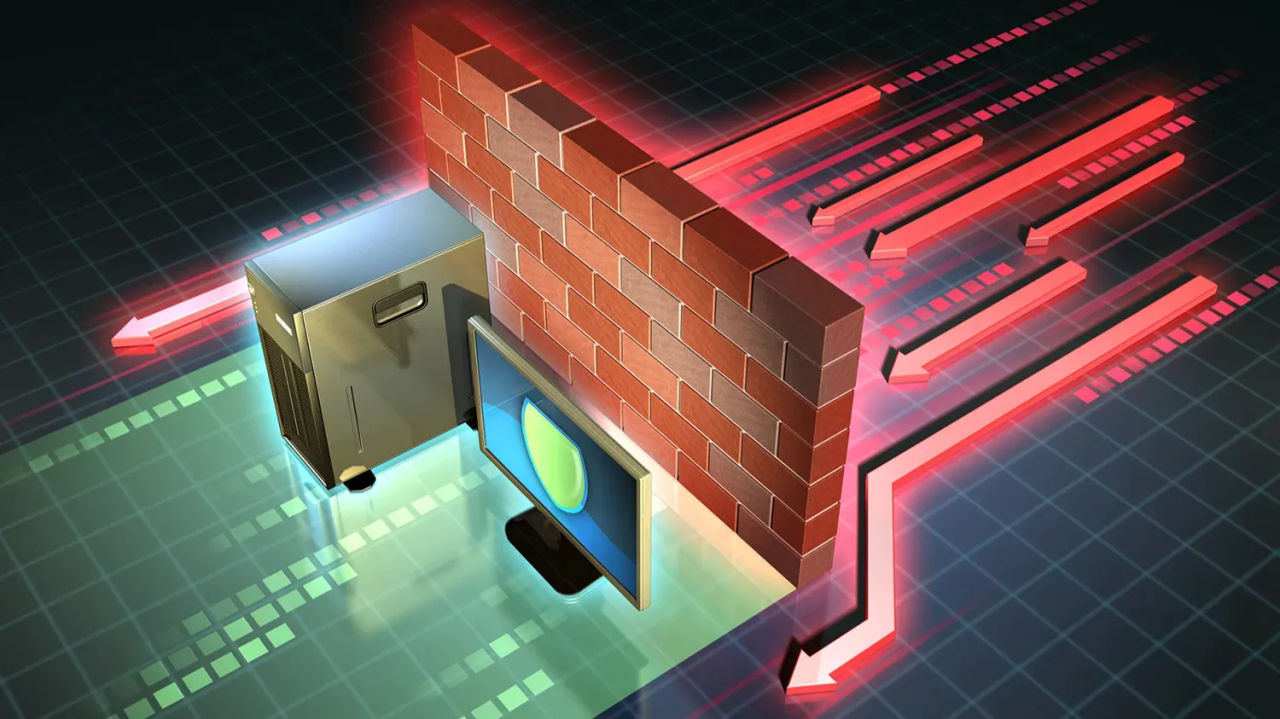
A firewall is one of the most important components of a business cybersecurity strategy. It acts as the first line of defense between your internal network and external threats, helping prevent unauthorized access while allowing legitimate business traffic to flow securely. As cyberattacks continue to target organizations of all sizes, selecting the right firewall is no longer just an IT decision – it is a business decision.
Why Every Business Needs a Modern Firewall
Many businesses rely on cloud applications, remote employees, connected devices and digital communication throughout the workday. Every internet connection creates potential entry points for cybercriminals.
A properly configured firewall helps protect against:
- Unauthorized network access
- Malware and ransomware attacks
- Phishing-related network threats
- Data exfiltration attempts
- Suspicious inbound and outbound traffic
- Exploitation of vulnerable services
The Cybersecurity and Infrastructure Security Agency (CISA) recommends implementing layered security controls, with firewalls serving as a core component of network protection.
Understand the Different Types of Firewalls
Not every firewall provides the same level of protection. Selecting the right solution depends on your organization’s size, infrastructure, compliance requirements and business objectives.
Packet Filtering Firewalls
These firewalls inspect basic network traffic based on predefined rules. They provide fundamental protection but offer limited visibility into modern cyber threats.
Stateful Inspection Firewalls
Stateful firewalls monitor active network connections and evaluate traffic based on the context of each communication session. This approach offers stronger protection than simple packet filtering.
Next-Generation Firewalls (NGFW)
Modern businesses often benefit from Next-Generation Firewalls, which combine traditional firewall capabilities with advanced security features such as:
- Deep packet inspection
- Intrusion Prevention Systems (IPS)
- Application awareness
- User identity controls
- Malware detection
- SSL traffic inspection
- Threat intelligence integration
These capabilities improve visibility while helping organizations detect sophisticated attacks before they spread throughout the network.
Cloud Firewalls
Businesses operating cloud infrastructure or hybrid environments may choose cloud-based firewall services that secure applications regardless of employee location.
Key Factors to Consider Before Selecting a Firewall
Choosing the right firewall involves more than comparing technical specifications.
Business Size and Growth
A firewall should support current operations while allowing room for expansion as employees, offices and connected devices increase.
Network Complexity
Organizations with multiple locations, cloud applications, remote workers and virtual private networks require more advanced security capabilities than smaller single-office businesses.
Performance Requirements
Security should never create significant delays for business operations. Firewalls should be capable of processing encrypted traffic without becoming a network bottleneck.
Compliance Requirements
Businesses handling regulated information may need firewall solutions that support standards such as HIPAA, PCI DSS or the California Consumer Privacy Act (CCPA).
Guidance published by the National Institute of Standards and Technology (NIST) provides valuable recommendations for designing secure enterprise network architectures.
Features That Add Long-Term Value
While core firewall functionality remains essential, several advanced capabilities improve long-term cybersecurity.
Intrusion Prevention automatically blocks known attack patterns before they reach internal systems.
Application Control allows administrators to restrict high-risk applications without limiting employee productivity.
Web Filtering prevents users from accessing malicious or inappropriate websites.
VPN Support enables secure remote access for hybrid and remote employees.
Threat Intelligence Updates continuously improve protection against newly discovered vulnerabilities and attack techniques.
Organizations that combine these features with endpoint protection and multi-factor authentication establish a stronger overall security posture.
A Business Scenario
A professional services company experienced recurring malware infections despite using traditional antivirus software. A network assessment revealed that its aging firewall lacked application filtering and intrusion prevention capabilities.
After upgrading to a Next-Generation Firewall, implementing network segmentation and enabling continuous threat monitoring, the company significantly reduced security alerts, improved remote access security and gained greater visibility into network activity. Regular firmware updates and proactive monitoring further strengthened the organization’s cybersecurity defenses.
Common Firewall Selection Mistakes
Businesses often invest in security technology without fully evaluating their operational requirements.
Common mistakes include:
- Purchasing consumer-grade firewalls for business environments
- Focusing only on purchase price instead of long-term value
- Ignoring future scalability
- Failing to update firmware regularly
- Using default security settings
- Deploying firewalls without ongoing monitoring
- Neglecting employee cybersecurity awareness
Avoiding these mistakes helps maximize both security and return on investment.
Firewalls Work Best as Part of a Complete Security Strategy
Although firewalls provide critical protection, they cannot defend every aspect of modern IT environments by themselves.
A comprehensive cybersecurity strategy should also include:
- Endpoint protection
- Email security
- Multi-factor authentication (MFA)
- Secure cloud solutions
- Data backup and recovery
- Security awareness training
- Vulnerability management
- Continuous network monitoring
The Federal Bureau of Investigation Cyber Division and the Federal Trade Commission (FTC) both emphasize the importance of layered cybersecurity practices to reduce business risk.
Planning for Future Security Needs
Cyber threats continue to evolve alongside emerging technologies such as artificial intelligence, cloud computing and remote work environments. Businesses should periodically review their firewall policies, hardware lifecycle and security configurations to ensure ongoing protection.
Routine security assessments can identify outdated equipment, unnecessary network exposure and opportunities to improve operational resilience before problems occur.
How TechCare Computers Helps Businesses Strengthen Network Security
At TechCare Computers, we help businesses deploy firewall solutions that align with operational goals, cybersecurity best practices and long-term growth strategies.
Our services include:
- Managed IT Services
- Firewall Deployment and Management
- Network Design & Implementation
- Cybersecurity Solutions
- Computer Network Support
- Helpdesk Services
- Remote Access Security
- Cloud Solutions
- Data Backup & Recovery
- Business Continuity Planning
- Proactive Network Monitoring
Whether you are replacing outdated security hardware or building a new business network, our team can recommend, configure, and manage a firewall solution that protects your organization without compromising performance.
Protect your business before cyber threats become costly disruptions. Contact TechCare Computers today to schedule a network security assessment and find the firewall solution that best fits your business.