Cybersecurity is no longer only an issue for large corporations. Small businesses also depend on computers, cloud applications, email, networks and digital accounts to operate every day. A compromised password, phishing email, malware infection or unauthorized access can disrupt operations and expose sensitive business information. Cybersecurity Services for Small Businesses in Culver City can help businesses take a more structured approach to protecting their technology. Instead of relying only on employees to recognize every threat, businesses can establish security practices that address common risks across devices, accounts, networks, data and users.
Why Cybersecurity Matters for Small Businesses
Small businesses often have fewer resources available for cybersecurity than larger organizations. At the same time, they may handle customer information, financial records, employee data, business documents and credentials for important online services.
A security incident can therefore have consequences beyond a single infected computer.
Cybersecurity risks can affect everyday operations
A cyberattack may prevent employees from accessing important files or applications. Compromised accounts can also lead to unauthorized access to email, cloud services or business systems.
Even when an incident does not result in permanent data loss, investigating and recovering from it can consume valuable time.
Human error remains an important security consideration
Employees interact with email, websites, shared documents, cloud applications and external contacts every day. A convincing phishing message can potentially persuade someone to reveal credentials, open a malicious attachment or approve an unauthorized request.
This is why cybersecurity should not be treated solely as a technical problem. Technology and employee awareness need to work together.
What Cybersecurity Services Can Help Protect
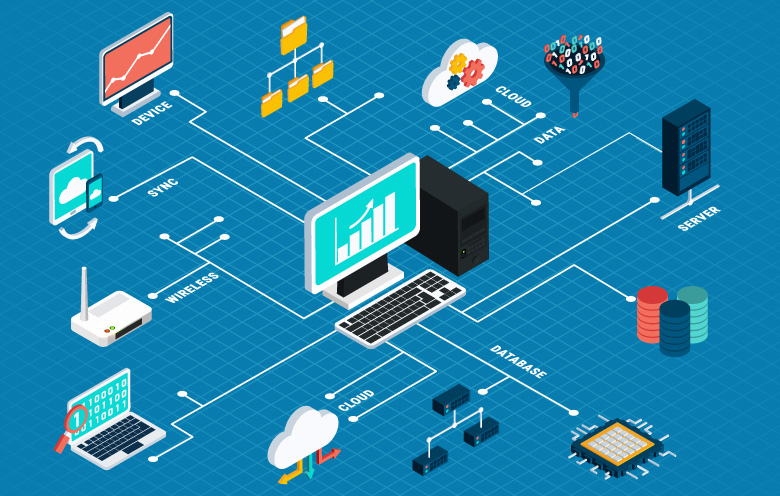
A cybersecurity strategy should consider the different components of a business’s technology environment rather than focusing on one individual threat.
Business computers and other endpoints
Every laptop, desktop and other connected endpoint can represent a potential entry point for attackers.
Security measures should help businesses identify vulnerable devices, keep systems appropriately protected and limit the potential impact of malicious software.
Endpoint security is particularly important for businesses where employees work from different locations or use multiple devices to access company resources.
Email and user accounts
Business email accounts are frequent targets for phishing, credential theft and account takeover attempts.
Strong passwords, multi-factor authentication, appropriate access controls and employee awareness can reduce some of the risks associated with compromised credentials.
Businesses should also consider which employees have access to sensitive information and whether that access is actually necessary.
Business networks
Network security is another important part of protecting business technology.
A properly configured network can help control how devices communicate with each other and with external services. Security should also account for wireless networks, remote access, connected devices and other technologies used by employees.
The goal is not simply to install security software. It is to create an environment where unnecessary access is minimized and suspicious activity can be addressed.
Business data
Important documents and business information need protection against unauthorized access, accidental deletion, hardware failure and cyber incidents.
Businesses should understand where their data is stored, who can access it and how important information can be recovered if something goes wrong.
Data protection should therefore be considered alongside broader cybersecurity planning rather than treated as a separate issue.
Common Cybersecurity Threats Small Businesses Should Understand
You do not need to become a cybersecurity expert to improve your company’s security. Understanding the most common attack methods is a useful starting point.
Phishing and social engineering
Phishing attacks attempt to convince users to take an action that benefits an attacker. The message may appear to come from a customer, vendor, colleague, financial institution, or familiar online service.
Warning signs can include unexpected requests for payments, unusual login notifications, suspicious links, urgent requests or messages asking for confidential information.
Employee cybersecurity training can help users recognize these situations before they become security incidents.
Malware and ransomware
Malicious software can affect individual computers or broader business systems. Ransomware is particularly disruptive because it can prevent access to files or systems and potentially interfere with normal business operations.
Businesses should combine preventative security controls with appropriate backup and recovery practices.
Compromised credentials
A stolen username and password can provide an attacker with access to systems without requiring sophisticated technical exploitation.
Using unique passwords, multi-factor authentication, appropriate permissions and secure account-management practices can help reduce this risk.
Unauthorized access
Not every security incident begins with malware. An attacker may attempt to gain access to an account, device, application or network and then use that access to obtain information or move further into the environment.
Regularly reviewing accounts and permissions can help businesses identify unnecessary access.

How to Build a Stronger Cybersecurity Strategy
Improving cybersecurity does not necessarily mean changing everything at once. Small businesses can start by identifying their most important systems and addressing the risks that could have the greatest operational impact.
1. Identify your critical systems and data
Start with a basic inventory.
Determine which computers, applications, cloud services, accounts and data are essential to your business. Consider what would happen if each one became unavailable or compromised.
This gives you a clearer picture of where security efforts should be prioritized.
2. Strengthen account security
Review business accounts and make sure employees are not relying on weak or reused passwords.
Where appropriate, implement multi-factor authentication and review administrative privileges. Employees should receive only the access necessary to perform their responsibilities.
3. Keep devices and software maintained
Outdated operating systems and applications can create avoidable security risks.
Establish a process for applying important updates and maintaining business devices. Software maintenance should be part of routine IT management rather than something performed only after a security problem appears.
4. Train employees to recognize threats
Technology cannot eliminate every phishing email or social engineering attempt.
Employees should know how to identify suspicious messages, verify unusual requests, handle unexpected attachments and report potential security incidents.
Training should be practical and relevant to the types of communication employees actually encounter.
5. Review backups and recovery procedures
Backups are an important part of business resilience, but simply having a backup is not enough.
Businesses should understand what is being backed up, how frequently backups occur, where they are stored and how data would be restored after an incident.
Recovery procedures should be considered before an emergency happens.
6. Review security regularly
Cybersecurity is not a one-time project.
New employees, applications, devices, vendors, and business processes can change the security environment over time. Regular reviews can help identify new risks and determine whether existing controls still make sense.
Cybersecurity for Small Businesses in Culver City
Businesses in Culver City operate in a connected commercial environment where technology can support communication, customer relationships, payments, collaboration and day-to-day operations.
For a small company, that interconnected technology can also create multiple potential points of exposure.
A local business might rely on Microsoft 365 or another cloud platform, shared files, wireless networking, business laptops, accounting software, online payment systems and third-party applications. Each technology should be considered as part of the company’s overall security picture.
The important question is not simply whether a business has antivirus software or a firewall. A better question is whether the business has a consistent approach to protecting accounts, devices, networks, data, and employees.
This is where cybersecurity services in Culver City can be useful. A business can work toward identifying weaknesses, improving security practices and creating a more organized approach to managing cyber risk.
FAQ: Cybersecurity Services for Small Businesses in Culver City
What are cybersecurity services for small businesses?
Cybersecurity services help businesses identify and reduce risks associated with their computers, networks, accounts, applications and data. Depending on the business, this can include security planning, device protection, access controls, employee awareness, monitoring and other security measures.
How can a small business in Culver City improve cybersecurity?
Start by identifying important systems and data, strengthening account security, keeping devices and software updated, training employees to recognize phishing attempts and reviewing backup and recovery practices. A professional assessment can help identify additional priorities.
Does a small business really need cybersecurity?
Yes. Small businesses can face phishing, malware, compromised credentials, unauthorized access and other cyber risks. The appropriate level of protection depends on the company’s technology, data, employees and operational requirements.
How can employee training reduce cybersecurity risks?
Training helps employees recognize suspicious messages, links, attachments, login requests and social engineering attempts. Since employees interact with business technology every day, security awareness can complement technical controls.
What should a small business look for in cybersecurity support?
Look for an approach that considers the company’s actual technology environment and business risks rather than offering generic recommendations. Ask how the provider approaches device security, account protection, employee awareness, data protection and incident response.
How often should a business review its cybersecurity?
Cybersecurity should be reviewed regularly, particularly when the business adds new applications, devices, employees, cloud services or remote-work processes. A periodic review can help identify changes that introduce new risks.
Building a More Secure Business with TechCare Computers
Cybersecurity is most effective when it becomes part of normal business technology management rather than an emergency response after something goes wrong. Small businesses can make meaningful improvements by understanding their technology environment, protecting accounts and devices, educating employees and regularly reviewing their security practices.
For businesses looking for Cybersecurity Services for Small Businesses in Culver City, TechCare Computers can help you evaluate your technology needs and determine an appropriate approach to cybersecurity. Contact TechCare Computers today to discuss your business technology and security requirements.