Culver City has become a thriving hub for emerging startups – tech innovators, creative production studios, digital agencies, SaaS companies, e-commerce brands and boutique professional service firms. With most early-stage teams relying heavily on cloud platforms, digital workflows, collaboration tools and remote work infrastructure, system uptime is essential. Even a short disruption can derail production schedules, stall revenue, interrupt client delivery or pause internal operations.
Real-time monitoring has quickly become one of the most important IT capabilities for fast-growing Culver City businesses. It provides proactive detection of system issues, immediate alerting, automated threat identification and data-driven insights that help prevent outages before they occur. For startups competing in a fast-paced environment, the ability to maintain uninterrupted operations is a major strategic advantage.
Why Uptime Matters for Culver City Startups
Early-stage companies depend on consistent access to digital tools that keep their teams productive and client workflows operational. Even a brief outage can cause:
• halted development timelines
• missed deadlines with clients or partners
• lost transactions for e-commerce or subscription platforms
• delays in content production
• breakdowns in communication among hybrid teams
• reputational damage to growing brands
Startups operate with lean teams, rapid project cycles and often tight margins. Real-time monitoring safeguards essential systems and minimizes downtime that could disrupt growth.
What Real-Time Monitoring Actually Does
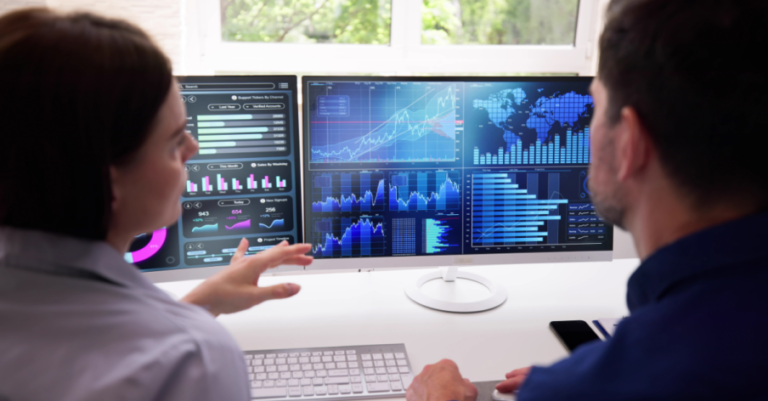
Real-time monitoring involves continuous observation and analysis of an organization’s critical systems and network infrastructure. This includes:
• cloud platforms
• servers and storage environments
• remote and hybrid work devices
• SaaS applications and integrations
• network performance
• cybersecurity events
• backup and disaster recovery systems
The goal: detect issues instantly, intervene before failures occur and keep operations running smoothly.
Key Benefits of Real-Time Monitoring for Startups
1. Prevents Outages Before They Happen
Startups often rely on numerous interconnected tools such as project management apps, CRM systems, design platforms, development environments and cloud storage. When any component slows down or fails, teams feel the impact immediately.
Real-time monitoring identifies:
• declining system performance
• overloaded servers
• abnormal CPU or memory usage
• failing software integrations
• early signs of hardware malfunction
By detecting these issues at the earliest stage, IT teams can intervene before users experience disruptions.
2. Strengthens Cybersecurity and Protects Digital Assets
Culver City startups – especially those in tech, media and e-commerce – are frequent cyber targets. Real-time monitoring enhances defense by detecting:
• unauthorized login attempts
• suspicious account behavior
• unusual file access
• malware indicators
• attempted privilege escalation
• potential ransomware activity
Continuous monitoring provides early warning signs before an attacker compromises critical systems.
3. Improves Application and Cloud Performance
For SaaS-based and digitally driven startups, application performance is tied directly to revenue and client satisfaction. Real-time insights help teams identify:
• slow APIs
• cloud latency
• failing service integrations
• misconfigured applications
• spikes in resource demand
Monitoring also helps optimize cloud spending – a common challenge for rapidly scaling companies.
4. Enables Faster Incident Response
When outages do occur, response time determines how much operational damage the business experiences. Real-time monitoring:
• sends immediate alerts
• provides diagnostic data
• pinpoints the source of the issue
• helps IT teams resolve problems faster
Startups can restore systems quickly and avoid prolonged downtime.
5. Supports Scalability During Rapid Growth
Culver City companies often grow from small teams to large operations in a short period. Real-time monitoring helps ensure infrastructure keeps up. It provides:
• usage trend analysis
• forecasting for cloud capacity
• insights on storage and bandwidth needs
• tracking of system performance as teams expand
Startups can scale confidently without sacrificing reliability.

Common Mistakes Startups Make Without Real-Time Monitoring
Many small businesses unknowingly create operational vulnerabilities by:
Waiting for systems to break before addressing issues
Reactive troubleshooting leads to longer outages and preventable failures.
Relying on manual checks instead of automated monitoring
Manual processes can’t keep pace with modern cloud workloads.
Ignoring early warning signs like slow performance or recurring errors
Minor issues often indicate deeper infrastructure problems.
Assuming cloud platforms eliminate performance risks
Cloud vendors secure the infrastructure, not your applications, configurations or integrations.
Not monitoring remote devices used by hybrid teams
Unsecured or unstable devices create support and security gaps.
Real Example: Culver City Startup Avoids a Major Production Disruption
A digital production startup near the Hayden Tract experienced recurring slowdowns in its cloud editing environment. Because the issue happened intermittently, staff struggled to identify the cause.
After implementing real-time monitoring:
• performance logs revealed a failing integration with a third-party storage app
• alerts notified the team before the system became unresponsive
• the application was patched and stabilized
• no further production delays occurred
Without real-time monitoring, the outage would likely have forced the team to halt work during a client deadline—significantly impacting revenue and reputation.
Building an Effective Real-Time Monitoring Strategy
To maximize uptime and operational resilience, Culver City startups should implement a structured monitoring plan:
1. Identify Business-Critical Systems
Focus monitoring on tools that directly impact revenue, client delivery and internal workflows.
2. Monitor Cloud, Network and Endpoints Together
Unified monitoring provides complete visibility across infrastructure, devices and software.
3. Set Automated Alerts for Performance and Security Risks
Real-time notifications enable immediate response.
4. Review Logs and Analytics Monthly
Trend analysis helps reveal recurring issues and optimize system performance.
5. Integrate Monitoring With Incident Response
Monitoring should automatically tie into ticketing, remediation steps and escalation workflows.
6. Reassess Monitoring Scope as the Startup Grows
Increase monitoring coverage as staff, tools and client workloads expand.
Future Trends in Real-Time Monitoring for Startups
Emerging technology is transforming how early-stage companies approach uptime and cybersecurity:
AI-Based Predictive Analytics
Systems will predict and prevent outages before they develop.
Zero Trust Monitoring Models
Every device, user and application will be continuously verified.
Cloud-Native Observability Platforms
Startups will use advanced dashboards that combine logs, metrics and security events.
Stronger Remote Work Monitoring Tools
More robust controls will protect laptops, mobile devices and home networks.
How TechCare Computers Helps Culver City Startups Stay Online
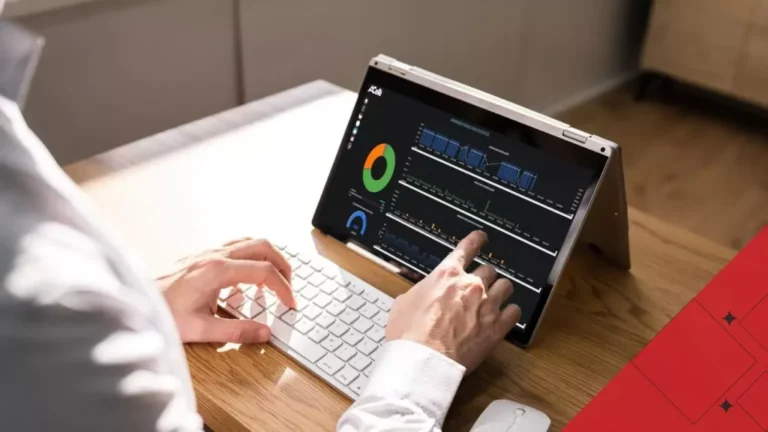
TechCare Computers provides advanced monitoring solutions designed specifically for fast-growing businesses, including:
• 24/7 real-time monitoring and alerting
• cloud and network performance tracking
• endpoint and remote device monitoring
• cybersecurity threat detection
• automated incident response workflows
• system optimization and predictive analytics
• monitoring integration with backup and disaster recovery
Ensure uninterrupted operations, prevent costly outages and keep your Culver City startup performing at its best – no matter what challenges arise. Contact TechCare Computers today to implement a real-time monitoring strategy that keeps your business resilient and always online.