Small businesses need reliable technology to keep employees productive and protect important business data. But managing computers, networks, software updates, security and technical problems internally can quickly become difficult as a company grows. Managed IT services give small businesses access to ongoing technical support and proactive IT management without requiring them to handle every technology issue on their own. For businesses in Culver City, California, the right IT approach depends on the size of the company, the systems it uses and the level of technical support its employees need. A managed IT provider can help create a more consistent way to maintain business technology and respond when problems occur.

What Managed IT Services Include
Managed IT services are designed to provide ongoing management of a company’s technology rather than addressing technical problems only when something breaks.
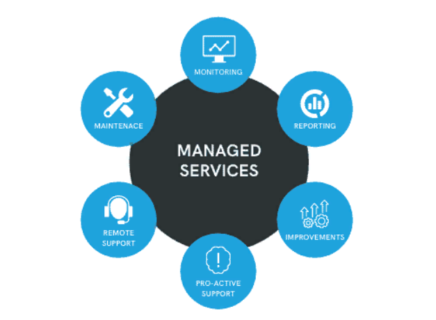
Depending on the provider and the business’s needs, managed IT services can involve several areas of IT management.
Computer And Device Management
Business computers need regular maintenance to remain secure and functional. IT management can include monitoring devices, managing software and addressing technical problems that interfere with daily work.
This becomes particularly important when employees rely on multiple computers, laptops or other connected devices. Without a consistent approach, outdated software and unresolved technical issues can accumulate and create larger problems later.
Network Management
A dependable network allows employees to access shared resources, communicate with colleagues and use cloud based applications. Network problems can therefore affect more than one employee at the same time.
IT professionals can help businesses identify network issues, maintain network infrastructure and troubleshoot connectivity problems when they occur.
Cybersecurity And Software Updates
Cybersecurity is not limited to installing antivirus software. Small businesses also need to pay attention to software updates, account security, access permissions and other basic protections.
Keeping operating systems and applications updated can reduce exposure to known security vulnerabilities. Strong passwords and appropriate access controls can also help limit unnecessary access to business systems.
Businesses handling customer information, financial records or other sensitive data should treat security as an ongoing responsibility rather than a one-time project.
Backup And Data Recovery
Business data can be lost because of hardware failure, accidental deletion, software problems or security incidents. A backup strategy gives a company a way to recover important information when the original data is no longer available.
A useful backup plan should consider which files are essential, how often they need to be backed up and how quickly the business would need to restore them.
Companies that want to evaluate their current approach can also consider data backup and recovery services as part of their broader IT strategy.
Why Small Businesses Use Managed IT Services
Hiring a managed IT provider is not simply about having someone to call when a computer stops working. The larger benefit is having a more structured approach to technology.
More Predictable IT Management
When IT problems are handled differently every time they occur, employees can lose time trying to determine what went wrong and who should fix it.
Managed IT services can establish a consistent process for maintaining systems and dealing with technical issues. This can make IT easier to manage as the business adds employees, devices and software.
Less Time Spent On Technical Problems
Small business owners and employees often have responsibilities outside of IT. Spending hours troubleshooting a computer, configuring software or diagnosing network problems takes attention away from those responsibilities.
External IT support can give employees a resource for technical issues while allowing business leaders to focus on running the company.
Better Visibility Into IT Needs
Technology problems are not always isolated incidents. Several recurring issues may indicate an underlying problem with a device, network or software configuration.
Regular IT management can make it easier to identify patterns and decide when a business needs to update or replace part of its technology infrastructure.

When Should A Small Business Consider Managed IT Services?
There is no single employee count at which a company suddenly needs managed IT services. The decision usually depends more on the complexity and importance of its technology.
A business may benefit from ongoing IT management when:
- Employees regularly experience recurring computer or network problems.
- Business operations depend heavily on computers and cloud applications.
- There is no dedicated employee responsible for IT.
- Important business files are not covered by a clear backup strategy.
- Software and operating system updates are difficult to manage consistently.
- Employees need help setting up or troubleshooting technology.
- IT problems are taking business owners away from their primary responsibilities.
- The company is adding employees or devices and its existing IT processes are becoming harder to manage.
The important question is not simply whether a business has enough computers to justify outside IT support. It is whether technology has become important enough that unmanaged problems can affect productivity, security or business continuity.
Managed IT Services For Businesses In Culver City
Culver City businesses operate in a diverse local economy that includes professional services, creative companies, offices and other small businesses. Their technology requirements can vary considerably.
A small professional office may primarily need dependable computers, email, file access and network connectivity. A growing company may have a larger collection of devices and cloud applications to manage. Businesses that handle sensitive customer or client information may also need to place greater emphasis on cybersecurity and data protection.
That is why choosing IT support should start with the company’s actual technology environment rather than a generic checklist of services.
A local business can begin by reviewing its most frequent technical problems, identifying the systems employees rely on every day and determining which areas create the greatest risk when they fail.
How To Choose A Managed IT Provider
The right provider should fit the way your business actually operates. Before choosing an IT company, consider several practical questions.
What Technology Does Your Business Depend On?
Make a list of the systems that employees use every day. This might include computers, networks, email, cloud applications, shared files and business software.
The more dependent your operations are on technology, the more important it becomes to have a clear plan for maintaining those systems.
How Are Technical Problems Handled Now?
Look at what happens when an employee cannot access a computer, loses network connectivity or encounters a software problem.
If employees have no clear source of technical assistance, they may spend significant time troubleshooting problems themselves.
What Happens If Important Data Is Lost?
Consider where important files are stored and whether they are backed up. A backup is only useful if the business can actually restore the information when necessary.
It is worth identifying critical files before choosing or changing a backup strategy.
Does The Provider Understand Small Business Needs?
Small businesses generally need practical IT solutions rather than unnecessary complexity. A provider should be able to explain what a business needs, why it matters and how it fits into the existing technology environment.

Managed IT Services Vs. Break Fix IT Support
The main difference is the approach.
With traditional break fix support, a business generally seeks technical assistance after a problem occurs. The focus is on resolving the immediate issue.
Managed IT services take a more ongoing approach to technology management. Instead of treating every problem as an isolated event, the goal is to maintain systems and address potential issues as part of a broader IT process.
Neither model is automatically appropriate for every business. A company with very limited technology needs may require little ongoing assistance. A business that depends on its IT systems every day may have more to gain from consistent management.
Questions To Ask Before Getting Managed IT Services
Before working with an IT provider, ask questions that help clarify what the relationship will actually look like.
- Which IT systems does the provider manage?
- How are technical issues reported and handled?
- What types of businesses does the provider typically support?
- How are software updates and security issues addressed?
- What backup and recovery approach is recommended?
- How does the provider handle businesses that are growing or adding devices?
- Which services are included and which require separate arrangements?
Clear answers can help a business avoid choosing a provider based only on a list of technical terms.
Frequently Asked Questions
What Are Managed IT Services For Small Businesses?
Managed IT services provide ongoing assistance with business technology. Depending on the provider, this can include computer management, network support, software updates, cybersecurity, backups and troubleshooting.
How Much Do Managed IT Services Cost For A Small Business?
The cost depends on factors such as the number of users and devices, the technology environment and the services a business requires. A business should evaluate the scope of support before comparing prices between providers.
Does A Small Business Need Managed IT Services?
Not every small business needs the same level of IT support. Managed services can make sense when technology is essential to daily operations, technical problems regularly affect productivity or there is no internal employee available to manage IT.
What Is The Difference Between Managed IT And IT Support?
IT support generally refers to assistance with technical problems and IT related needs. Managed IT services typically involve an ongoing relationship in which technology is monitored or maintained according to an agreed service arrangement.
Can Managed IT Services Help With Cybersecurity?
IT management can include security related tasks such as software updates, access management and other protective measures. Businesses should discuss their specific security requirements with an IT provider rather than assuming that every managed service package includes the same protections.
Are Managed IT Services Useful For Businesses In Culver City?
Yes. Local businesses that rely on computers, networks, cloud applications and digital business data can benefit from a structured approach to IT management. The right services depend on the company’s technology and operational needs.
Choose An IT Approach That Fits Your Business
For a small business, IT management is not only about fixing a computer after something goes wrong. Keeping devices updated, protecting business data, maintaining network access and having a clear plan for technical problems can prevent everyday technology issues from turning into larger disruptions.
If your business is dealing with recurring technical problems or needs a more consistent way to manage its technology, managed IT services may be worth considering. TechCare Computers can help you evaluate your current IT environment and determine what type of support fits your business needs.
Contact TechCare Computers to discuss your small business IT needs.