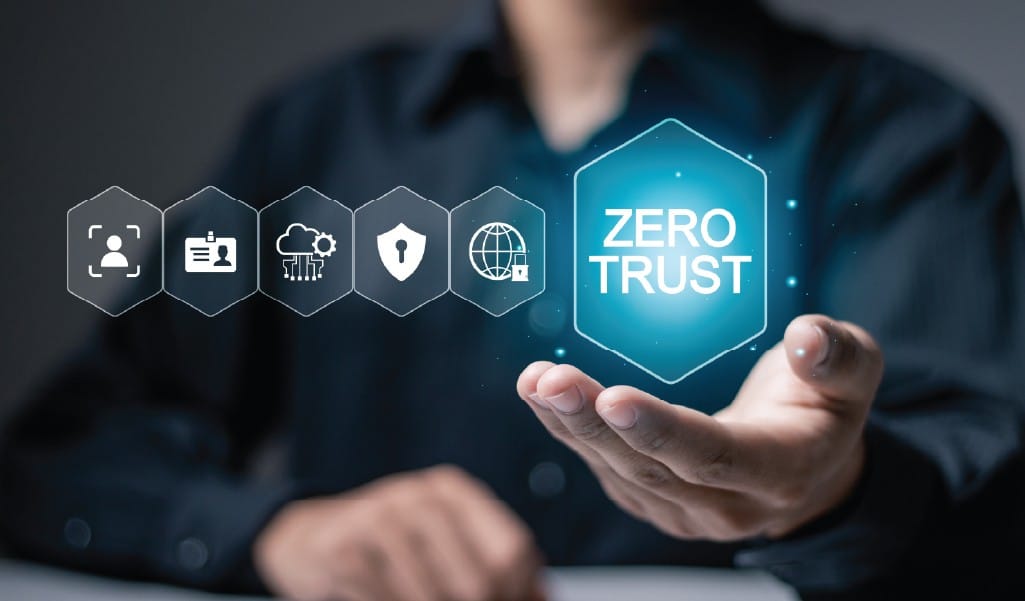
In Los Angeles, professional service firms – from law offices to financial consultancies – handle highly sensitive client information daily. Traditional perimeter-based security is no longer sufficient. Zero Trust Architecture (ZTA) offers a modern approach to safeguard data, enforce compliance and maintain operational continuity. This article explores why ZTA is essential for LA-based firms and how it can be implemented effectively.
Why Zero Trust Architecture Matters for LA Firms
Cyberattacks on professional service firms are rising, particularly in Los Angeles, where law firms, consultancies and accounting agencies store privileged client data. Traditional security models assume that everything inside a network is trustworthy, leaving internal systems vulnerable. Zero Trust flips this assumption: no user or device is trusted by default and access is continuously verified.
Key Benefits:
-
Continuous identity verification for all users and devices
-
Reduced risk of internal breaches and lateral movement
-
Enhanced protection for remote employees and cloud-based tools
Core Components of Zero Trust Architecture
Identity and Access Management (IAM)
IAM ensures that only authorized personnel can access sensitive files or systems. Multi-factor authentication (MFA), biometric verification and role-based access policies are essential for LA firms managing privileged client information.
Network Segmentation
Dividing networks into smaller, isolated zones limits the reach of attackers. Even if a breach occurs in one segment, lateral movement is blocked, protecting critical client data.
Continuous Monitoring and Threat Detection
Real-time monitoring through SIEM systems and SOC oversight detects suspicious activity immediately. AI-powered anomaly detection can flag unusual behavior before data loss occurs.
Endpoint Security
Every device, including laptops, mobile phones and remote workstations, must be secured with endpoint protection, encryption and vulnerability management. This is critical for firms with hybrid or fully remote teams in West Hollywood, Beverly Hills, or Culver City.
Mistakes LA Firms Make When Implementing Zero Trust
Overlooking Remote Devices
Many firms forget to secure mobile devices and home networks, leaving a gap in protection. Employees accessing sensitive client data from home without proper endpoint security create vulnerabilities that attackers can exploit.
Weak Identity Policies
Using weak passwords or skipping MFA implementation undermines Zero Trust principles. Without strict identity verification, attackers can gain access even to segmented networks, compromising sensitive information.
Real-Life Example: Law Firm in West Hollywood
A mid-sized West Hollywood law firm suffered repeated phishing attacks. By implementing Zero Trust Architecture – MFA for all employees, segmented networks and encrypted file transfers – the firm eliminated internal breaches and strengthened client trust. Regular security training ensured staff remained vigilant, creating a culture of cybersecurity awareness.
Steps to Implement Zero Trust Architecture
-
Assess Your Current Security Posture
Conduct a thorough audit of users, devices and data flows. Identify vulnerabilities in your existing IT infrastructure. -
Define Access Policies
Implement role-based access for sensitive data. Ensure that permissions are minimal and updated regularly. -
Deploy Advanced Monitoring Tools
Utilize SIEM systems and endpoint detection platforms to maintain continuous oversight. -
Integrate Zero Trust in Cloud Environments
Ensure all cloud services, from Microsoft Azure to Google Cloud, enforce encryption, MFA and access controls. -
Train Staff Regularly
Employees are the first line of defense. Conduct quarterly training on phishing awareness, secure file handling and MFA best practices.
The Future of Zero Trust in Professional Service Firms
AI-Powered Threat Detection
Integrate AI and machine learning for proactive anomaly detection. These tools can identify patterns that may indicate an emerging attack, allowing firms to respond before breaches occur.
Integration with Cloud Sovereignty & Remote Work Policies
Ensure Zero Trust extends to hybrid and multi-cloud environments. This protects data regardless of where employees access it, supporting remote work policies while maintaining strict compliance with local and federal regulations.
How TechCare Computers Supports LA Firms
At TechCare Computers, we specialize in implementing Zero Trust Architecture tailored for professional service firms in Los Angeles. Our services include:
-
IAM & MFA Implementation: Secure access for all users and devices
-
Endpoint Protection & Encryption: Protect laptops, mobile devices, and remote systems
-
Cloud Security Integration: Enforce Zero Trust principles across cloud platforms
-
Continuous Monitoring: Real-time threat detection and response
-
Compliance Guidance: CCPA, HIPAA and industry-standard adherence
Businesses in Los Angeles trust TechCare Computers to secure sensitive client data with enterprise-grade Zero Trust solutions. Contact us today for a personalized IT security consultation.