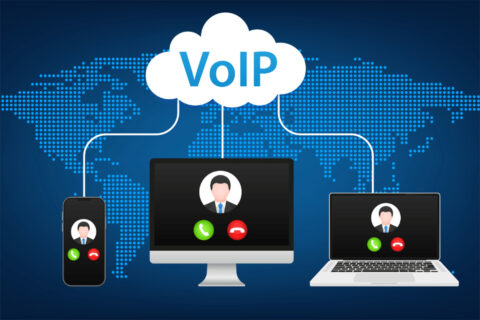
Medical offices rely on computers, networks, cloud applications, email, patient management systems and connected devices to keep daily operations moving. When technology fails or security controls are weak, the impact can extend beyond staff productivity to scheduling, billing, communication and access to electronic protected health information.
IT support for medical offices in Culver City should therefore focus on dependable technology, controlled access, cybersecurity and practical recovery planning. For practices in Culver City, CA, the right IT approach can help reduce avoidable disruptions while supporting the security requirements that apply to electronic protected health information.
Why Medical Offices Need Specialized IT Support
A medical practice has different technology priorities from a typical office. Employees may need simultaneous access to scheduling platforms, electronic health records, email, billing applications, cloud services and other systems.
The technology environment also has to account for sensitive information. Under the HIPAA Security Rule, covered entities and business associates must implement appropriate administrative, physical and technical safeguards to protect electronic protected health information.
That makes IT support more than fixing a computer after it stops working. A useful support strategy should consider how systems are configured, who can access them and what happens when something goes wrong.

What IT Support for Medical Offices Should Cover
Computer and Workstation Support
Individual workstations can become a source of disruption when applications stop working, devices become outdated or users experience recurring technical problems.
A practical support approach should address:
- Computer and workstation problems
- Software and operating system issues
- User access problems
- Printer and peripheral connectivity
- Email and application problems
- Device configuration and maintenance
- Recurring technical issues that affect staff productivity
Resolving recurring problems at the underlying cause is particularly important in a clinical environment where staff cannot afford to repeatedly stop their work to deal with the same technical issue.
Network and Connectivity
Medical offices depend on stable network access for communication and business applications. A network problem can affect multiple employees at once and may prevent staff from accessing systems they need throughout the day.
IT support can involve evaluating network performance, identifying connectivity problems and addressing configuration issues that contribute to interruptions.
Network security also deserves attention. HIPAA technical safeguards include access controls, authentication, audit controls and transmission security for systems containing electronic protected health information.
Email and Phishing Protection
Email remains an important security concern for healthcare organizations. A seemingly ordinary message can attempt to steal credentials or persuade an employee to open a malicious attachment or link.
HHS identifies email phishing and credential theft among significant healthcare cybersecurity threats.
Medical offices should consider measures such as:
- Strong authentication
- Appropriate access permissions
- Employee awareness of suspicious messages
- Protection against malicious attachments and links
- Clear procedures for reporting suspected phishing
- Regular review of user accounts and access
Technical controls matter, but staff behavior matters too. A secure environment should make it easier for employees to recognize suspicious activity and report it before it develops into a larger incident.
Protecting Patient Information Requires More Than Antivirus
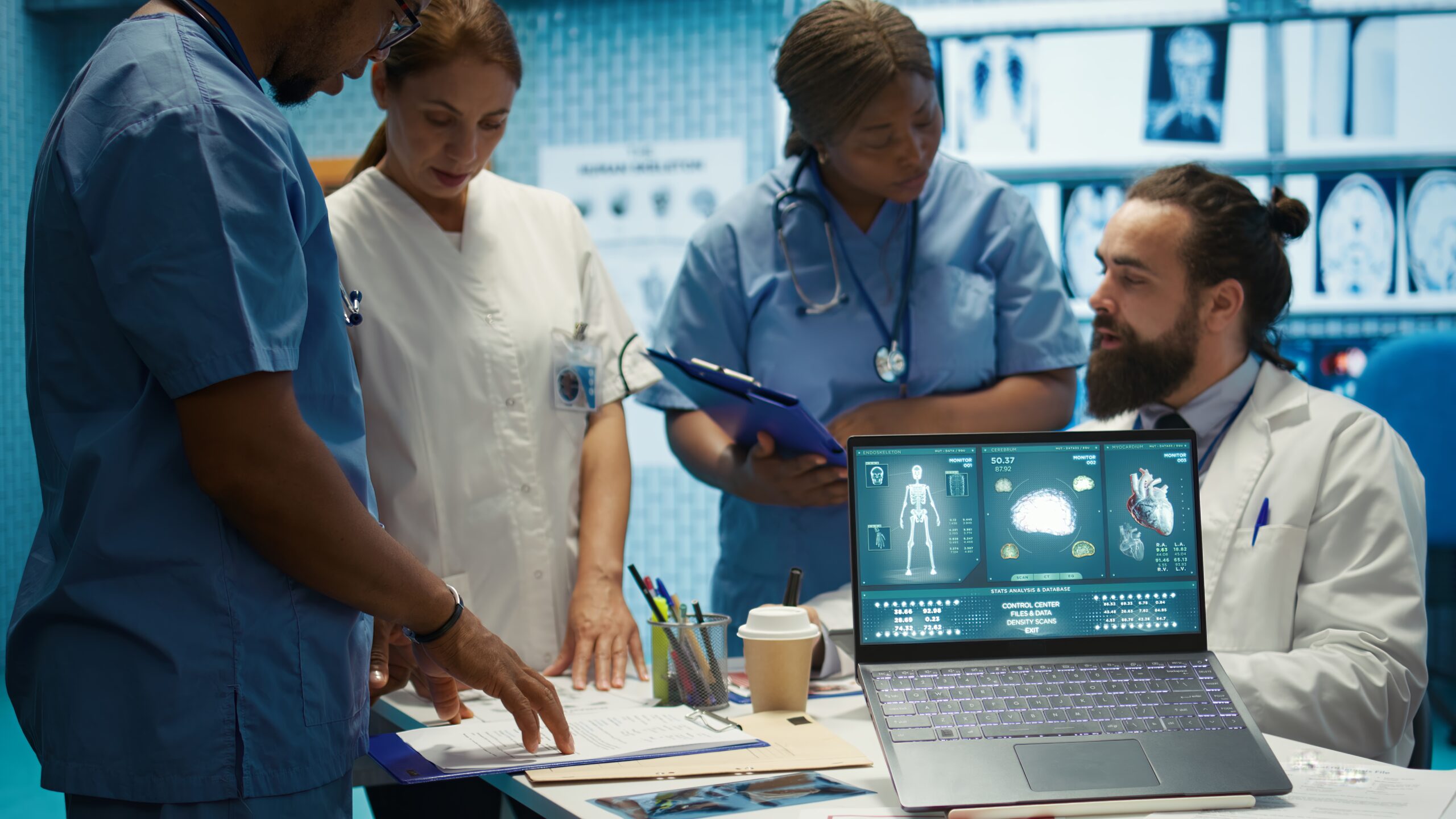
Antivirus software is only one part of a broader security strategy. HIPAA requires reasonable and appropriate safeguards based on the organization’s size, capabilities, infrastructure and security risks rather than prescribing one universal technology configuration.
For a medical office, security planning should consider:
- Who has access to electronic protected health information
- Whether access is appropriate for each employee’s role
- How users authenticate
- Whether important system activity can be reviewed
- How information is protected while transmitted
- How workstations and devices are physically secured
- How security incidents are identified and handled
A risk-based approach is more useful than simply collecting security products. The goal is to understand where the practice is vulnerable and prioritize improvements accordingly.
Backup and Recovery Planning for Medical Practices
A backup is valuable only if the practice can actually use it when important information or systems become unavailable.
Ransomware can encrypt data and prevent an organization from accessing its systems. HHS recommends that healthcare organizations maintain processes for preventing, detecting, containing and recovering from ransomware incidents.
Medical offices should establish clear answers to questions such as:
- Which systems and files are essential to daily operations?
- How frequently is important data backed up?
- Where are backups stored?
- Can backups be restored when needed?
- Who is responsible for responding to an incident?
- How would the office continue operating if a critical system became unavailable?
Recovery planning should be considered before an incident occurs. Waiting until data is inaccessible is too late to determine whether a backup strategy actually works.
How to Evaluate IT Support for a Medical Office
Choosing an IT provider should not come down to whether the provider can simply repair computers. Medical practices should evaluate how the provider approaches the entire technology environment.
Consider asking:
Can the provider support both everyday problems and larger technology issues?
A useful IT relationship should address recurring workstation problems while also helping identify network, security and infrastructure issues that may create larger risks.
Does the provider understand security requirements for sensitive information?
If a practice handles electronic protected health information, security should be treated as part of the technology strategy rather than as an optional add-on.
Can the provider explain technical recommendations clearly?
Medical office managers and healthcare professionals should be able to understand why a technology change is being recommended, what problem it addresses and what operational impact it may have.
Does the provider consider business continuity?
Ask how the proposed approach addresses system failures, data loss and other situations that could interrupt normal office operations.
Can the provider work with the technology the practice already uses?
Replacing every system is rarely the first answer. A practical assessment should begin with the existing infrastructure, applications, devices and business requirements.
IT Support for Medical Offices in Culver City, CA
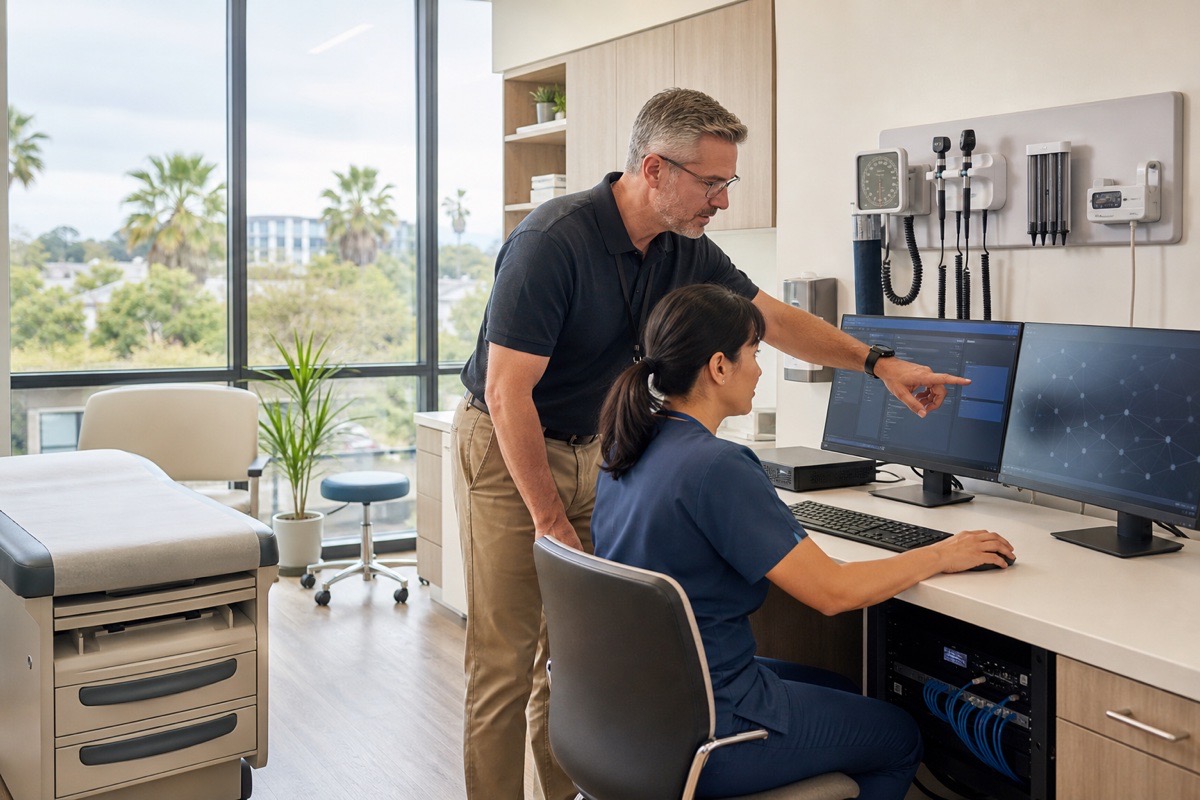
Medical practices in Culver City operate within a busy Los Angeles County business environment where reliable technology is essential to daily operations. Whether a practice is dealing with recurring computer problems, network instability, security concerns or an aging technology environment, local IT support can provide a practical way to evaluate those issues.
The right approach should begin with the specific needs of the office rather than a generic list of technology products. A small specialty practice may have different requirements from a larger medical office with multiple workstations, cloud applications and connected devices.
For practices in Culver City, the priority should be building an IT environment that supports employees while protecting sensitive information and preparing the office for technology disruptions.
Questions to Ask Before Choosing an IT Provider
Before selecting IT support for a medical practice, consider these questions:
- What technology problems are currently consuming the most staff time?
- Which systems are essential for patient scheduling, records, billing and communication?
- Who currently has administrative or sensitive system access?
- How are backups handled and when was the last successful recovery test?
- What happens if a workstation, network or critical application becomes unavailable?
- How are employees expected to report phishing attempts or other security incidents?
These questions can reveal gaps that are easy to overlook when IT is evaluated only after something breaks.
FAQ About IT Support for Medical Offices
What does IT support for a medical office include?
IT support can address workstations, software, email, networks, user access, connectivity and other technology problems that affect daily operations. The appropriate scope depends on the practice’s existing systems and requirements.
How can IT support help a medical office with HIPAA security?
IT support can help a practice address technical aspects of protecting electronic protected health information, such as access controls, authentication, transmission security and system safeguards. HIPAA compliance itself involves administrative, physical and technical requirements and should not be reduced to a single IT product or service.
Why is cybersecurity important for medical practices?
Medical practices can be targeted through phishing, credential theft, ransomware and other attacks. HHS specifically identifies social engineering, ransomware and other cybersecurity threats as concerns for the healthcare sector.
How often should a medical office review its IT security?
There is no single schedule that fits every practice. Security reviews should reflect the organization’s systems, risks and changes to its technology environment. HIPAA requires covered entities to conduct an accurate and thorough assessment of potential risks and vulnerabilities to electronic protected health information.
What should a medical office do if ransomware affects its systems?
The practice should follow its incident response procedures and take steps to contain the incident, prevent further spread, address the underlying vulnerability and recover affected systems and data. HHS recommends a structured response to ransomware incidents involving healthcare organizations.
Build a More Reliable Technology Environment With TechCare Computers
Technology should support patient care and office operations rather than become another source of disruption. For medical practices that depend on secure access to patient information, reliable workstations, business applications and dependable connectivity, a structured approach to IT can make everyday operations easier to manage.
TechCare Computers can help businesses address their technology needs with professional IT support. If your medical office is dealing with recurring computer problems, network issues, security concerns or other technology challenges, contact TechCare Computers to discuss your IT needs.