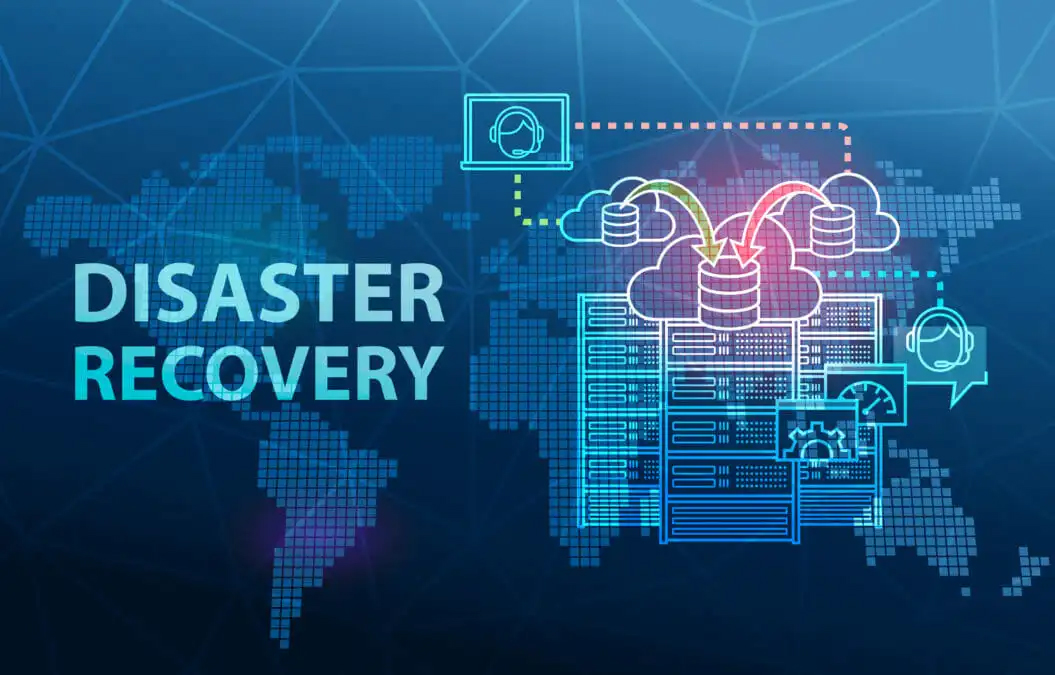
Businesses in Santa Monica depend on technology to manage daily operations, store critical information and maintain customer relationships. From retail companies to professional offices, even a short system outage can interrupt productivity, delay services and create financial losses. A disaster recovery plan helps businesses prepare for unexpected disruptions by providing a clear strategy for restoring systems, protecting data and maintaining continuity.
Why Disaster Recovery Is Essential for Santa Monica Businesses
Santa Monica businesses operate in a fast-moving environment where reliable technology plays a major role in success. Hardware failures, cybersecurity incidents, software problems and natural disasters can impact business operations without warning. Without a structured recovery strategy, companies may struggle to restore access to important files and applications.
A disaster recovery plan provides businesses with documented procedures for responding to technology failures. It identifies critical systems, defines recovery steps and ensures employees know how to act during an emergency.
The Risks Of Operating Without A Recovery Strategy
Data Loss From Unexpected Events
Business data is one of the most valuable assets companies manage. Customer records, financial documents and operational files can be lost due to hardware damage, accidental deletion or cyberattacks.
Reliable backup solutions reduce these risks by creating secure copies of important information. Cloud-based backups allow businesses to restore data quickly while reducing dependence on local storage systems.
Extended Downtime and Lost Productivity
Downtime affects every part of a business. Employees may lose access to essential applications while customers experience delays in service. For Santa Monica companies that rely on digital platforms, prolonged interruptions can impact revenue and reputation.
A disaster recovery plan minimizes downtime by establishing recovery priorities and identifying the fastest methods for restoring normal operations.
Increased Cybersecurity Threats
Cybercriminals continue to target businesses through ransomware, phishing attacks and unauthorized system access. A successful attack can prevent employees from accessing critical systems and expose sensitive information.
Disaster recovery planning combined with cybersecurity measures helps businesses respond faster after security incidents. Strong access controls, encrypted backups and regular system monitoring create additional layers of protection.

Key Components Of An Effective Disaster Recovery Plan
Automated Data Backup Solutions
Regular backups are the foundation of disaster recovery. Businesses should use automated backup systems that protect files without relying on manual processes.
Modern cloud backup platforms provide secure storage, flexible scalability and faster recovery options. They allow businesses to restore important information after unexpected failures while maintaining operational continuity.
Clear Recovery Objectives
Every business has different recovery needs. Some companies may require immediate access to communication tools while others may prioritize financial systems or customer databases.
A strong disaster recovery plan defines:
- Critical systems that require immediate restoration
- Recovery time objectives for returning operations to normal
- Recovery point objectives for determining acceptable data loss
- Employees responsible for emergency response procedures
Employee Preparedness and Training
Technology alone cannot protect a business if employees do not understand recovery procedures. Staff members should know how to identify security threats, report incidents and follow emergency protocols.
Regular training improves response times and helps reduce mistakes during critical situations.
How Santa Monica Businesses Benefit From Proactive Recovery Planning
A proactive disaster recovery strategy provides more than protection against emergencies. It creates confidence that business operations can continue even when unexpected problems occur.
Companies with recovery plans can:
- Reduce operational interruptions
- Protect customer information
- Improve cybersecurity readiness
- Maintain employee productivity
- Meet industry compliance requirements
Businesses that prepare before an incident occurs are better positioned to recover quickly and avoid unnecessary losses.
Real Life Example A Santa Monica Business Improves Resilience
A Santa Monica professional services company experienced a server failure that interrupted access to important business files. Because the company had implemented automated cloud backups and a structured recovery plan, critical data was restored quickly and employees returned to normal operations with minimal disruption.
The situation demonstrated how proactive planning can prevent a technical issue from becoming a major business challenge.
Best Practices For Building A Reliable Disaster Recovery Strategy
Evaluate Current Technology Risks
Businesses should regularly review their IT infrastructure to identify potential weaknesses. Outdated hardware, unsupported software and limited backup solutions can increase the risk of operational failures.
A technology assessment helps companies understand where improvements are needed before problems occur.
Test Recovery Procedures Regularly
A disaster recovery plan should not remain unused until an emergency happens. Regular testing ensures backup systems work correctly and employees understand their responsibilities.
Testing helps identify gaps in recovery procedures and improves overall response efficiency.
Combine Backup With Cybersecurity Protection
Backup solutions work best when combined with strong security practices. Businesses should implement encryption, multi-factor authentication and access management to protect stored information from unauthorized users.
A layered approach provides stronger protection against both technical failures and cyber threats.
The Future Of Disaster Recovery For Santa Monica Businesses
As businesses continue adopting cloud platforms, remote work solutions and digital services, disaster recovery will become an essential part of IT planning. Advanced technologies such as artificial intelligence, automated monitoring and predictive analytics are helping companies identify risks before they cause major disruptions.
Santa Monica businesses that invest in modern recovery solutions can improve reliability, strengthen security and maintain a competitive advantage.
How TechCare Computers Supports Disaster Recovery Planning In Santa Monica
At TechCare Computers, we help Santa Monica businesses develop reliable disaster recovery strategies designed around their specific technology needs.
Our services include:
- Cloud Backup Solutions: Protect critical business data with secure automated backups.
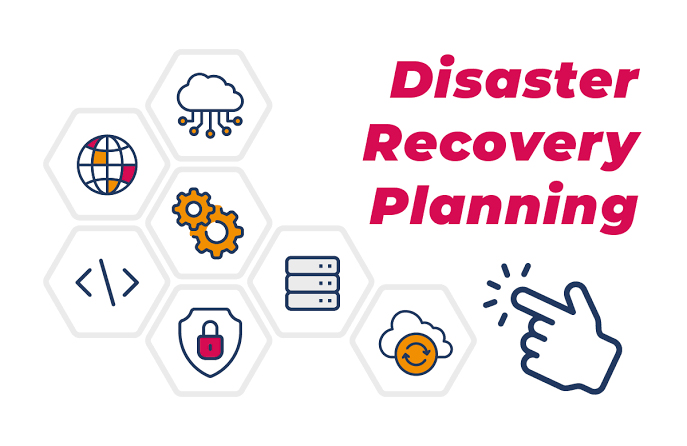
- Disaster Recovery Planning: Create structured recovery procedures to minimize downtime.
- Cybersecurity Protection: Strengthen systems against data breaches and cyber threats.
- IT Monitoring And Support: Identify problems early and maintain reliable operations.
Do not wait until a technology failure affects your business. Contact TechCare Computers today to create a disaster recovery plan that protects your data and keeps your Santa Monica business prepared for unexpected challenges.